
Business Analyst Course UK: Your Complete Guide to Professional Training

Choosing the right business analyst course UK can transform your career trajectory. Whether you’re transitioning into business analysis or advancing existing skills, understanding your training options helps you make informed decisions. We’ll guide you through everything you need to know about business analyst courses available across the United Kingdom.
The demand for skilled business analysts continues growing throughout UK organisations. Companies need professionals who bridge technology and business needs effectively. Your training pathway matters.
Understanding Business Analysis as a UK Career Path
Business analysis represents a dynamic profession. You analyse business processes, identify improvement opportunities, and recommend solutions that drive organisational success. Business analysts work across industries, from finance to healthcare, technology to retail.

The role requires technical knowledge combined with interpersonal skills. You gather requirements from stakeholders, document processes, facilitate workshops, and support implementation teams. Business analysts serve as essential links between business goals and technical solutions.
UK employers value business analysis expertise highly. Organisations recognise that effective business analysis reduces project risks and improves outcomes. This recognition creates abundant opportunities for trained professionals.
Your pathway into business analysis can begin from various backgrounds. Many business analysts transition from IT roles, project management positions, or operational functions. Others enter directly through targeted training and certifications.
Types of Business Analyst Courses Available in the UK

University Degrees in Business Analysis
Several UK universities offer undergraduate and postgraduate degrees focused on business analysis. These programmes typically span three years for bachelor’s degrees or one year for master’s qualifications. University courses provide comprehensive theoretical foundations.
Degree programmes cover business processes, data analysis, information systems, and organisational behaviour. You gain academic credentials alongside practical project experience. Universities often include industry placements within their business analysis programmes.
Professional Certification Programmes
Professional certifications represent focused training pathways. Organisations like BCS International Diploma and IIBA offer structured certification programmes. These courses concentrate specifically on business analysis competencies.
Certification training typically requires weeks rather than years. You learn industry-standard techniques, tools, and methodologies. Many professionals pursue certifications while working, making them flexible career development options.

Intensive Bootcamps and Career Programmes
Bootcamps offer accelerated learning pathways. These intensive programmes compress essential business analysis skills into concentrated timeframes. Career programmes often combine technical training with job placement support.
You gain hands-on experience through practical projects and case studies. Bootcamps suit career changers seeking rapid entry into business analysis roles. Many programmes include mentoring and coaching components.
Online and Distance Learning Options
Online courses provide maximum flexibility for working professionals. You study at your own pace while maintaining current employment. Distance learning options range from self-paced modules to structured virtual classrooms.
Digital platforms offer interactive content, video lectures, and virtual collaboration tools. Online business analysis courses often cost less than traditional classroom training. You access learning materials from anywhere with internet connectivity.
Confused About Which Business Analyst Training Pathway Suits Your Goals?
We understand choosing the right business analyst course UK feels overwhelming. Our career coaches provide personalised guidance based on your background, learning style, and career objectives. Discover which training approach aligns with your aspirations.
Leading UK Business Analysis Training Providers
Selecting reputable training providers ensures quality education. Established institutions bring proven track records in developing skilled business analysts. Research provider credentials, student outcomes, and industry recognition carefully.
BCS Business Analysis Programmes
BCS International Diploma represents one of the most recognised business analysis qualifications. The British Computer Society offers structured learning pathways from foundation to practitioner levels. BCS business analysis courses emphasise practical application alongside theoretical knowledge.
The BCS diploma business analysis programme covers requirements engineering, stakeholder management, and business case development. You develop competencies valued across UK organisations. Many employers specifically request BCS-certified business analysts.
IIBA Certification Providers
The International Institute of Business Analysis credentials business analysts globally. UK training providers offer preparation courses for IIBA certifications including ECBA, CCBA, and CBAP levels. These certifications demonstrate professional competence.
IIBA-aligned courses teach the Business Analysis Body of Knowledge framework. You learn standardised techniques recognised internationally. Certification preparation includes exam strategies and practice assessments.

University Business Schools
Many UK universities offer specialised business analysis programmes through their business schools. These include institutions like Warwick Business School, Manchester Business School, and others. University programmes combine academic rigour with industry collaboration.
Postgraduate diplomas and master’s degrees provide comprehensive business analysis education. You benefit from research-informed teaching and networking opportunities. University qualifications carry significant weight with employers.
Specialist Career Development Programmes
Career-focused training providers offer end-to-end support for aspiring business analysts. These programmes integrate technical training, certification preparation, and job placement assistance. You receive personalised coaching throughout your learning pathway.
Specialist programmes often include CV development, interview preparation, and portfolio building. Some providers guarantee job placement support. This comprehensive approach suits professionals seeking structured career transitions.
Course Duration, Investment, and Entry Requirements

Programme Durations Across Training Types
Training timeframes vary significantly by programme type. University degrees require one to three years of full-time study. Part-time degree options extend over longer periods, accommodating working professionals.
Professional certification courses typically span four to twelve weeks. Intensive bootcamps compress learning into six to sixteen weeks. Self-paced online courses offer flexible completion timelines based on your availability.
Consider your time constraints when selecting training formats. Accelerated programmes demand intensive commitment. Longer courses allow gradual skill development alongside other responsibilities.
Investment Considerations for Business Analysis Training
Course costs range from hundreds to thousands of pounds. University degrees represent the highest investment, often exceeding £10,000 annually. Professional certifications typically cost between £1,500 and £5,000.
Bootcamps and career programmes usually range from £3,000 to £8,000. Online courses offer the most affordable options, sometimes under £1,000. Many providers offer payment plans or financing options.

Consider total investment including materials, examination fees, and opportunity costs. Some employers fund professional development. Student loans cover university programmes. Research all available funding options.
Entry Requirements and Prerequisites
Entry requirements vary by programme level and provider. University degrees require A-levels or equivalent qualifications. Postgraduate programmes typically expect bachelor’s degrees and relevant work experience.
Professional certification courses often have minimal formal requirements. Some programmes welcome complete beginners. Advanced certifications may require documented business analysis experience or prerequisite qualifications.
Assess your current qualifications against programme requirements early. Some providers offer foundation courses preparing students for advanced programmes. Experience sometimes substitutes for formal academic credentials.
Popular Business Analyst Certifications in the UK
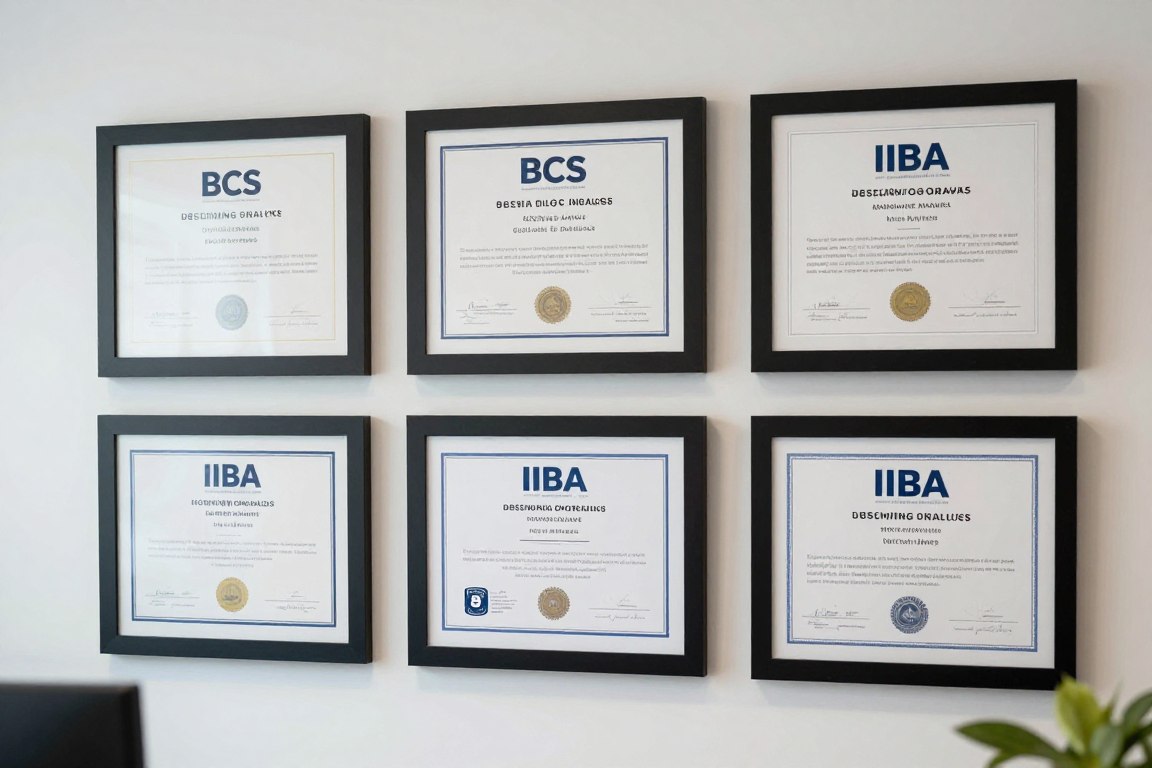
BCS International Diploma Business Analysis
The BCS International Diploma represents the gold standard for UK business analysts. This comprehensive certification demonstrates mastery of essential business analysis competencies. Employers across industries recognise BCS credentials.
The diploma business analysis pathway includes foundation and practitioner certificate levels. You progress through increasingly advanced competencies. Coursework covers strategy analysis, requirements engineering, and solution evaluation.
BCS certification requires passing rigorous examinations. Preparation typically involves structured training courses. The qualification validates your ability to deliver effective business analysis across complex projects.
IIBA Certification Levels
IIBA offers tiered certifications matching experience levels. Entry Certificate in Business Analysis (ECBA) suits beginners. Certification in Business Analysis (CCBA) targets intermediate professionals. Certified Business Analysis Professional (CBAP) represents the highest achievement level.
Each certification requires documented experience hours and examination success. IIBA certifications follow the BABOK guide framework. You demonstrate knowledge of six business analysis knowledge areas.

IIBA credentials provide international recognition beyond UK borders. Many organisations specifically seek IIBA-certified business analysts. Certification enhances career mobility and advancement opportunities.
Agile Business Analysis Qualifications
Agile business analysis certifications address modern development methodologies. These credentials focus on iterative requirements gathering, user story development, and continuous stakeholder collaboration. Agile approaches dominate many UK organisations.
Agile Business Consortium and other providers offer specialised agile business analysis training. You learn to operate effectively within Scrum, Kanban, and SAFe frameworks. Agile certifications complement traditional business analysis credentials.
Specialist Business Analysis Certifications
Additional certifications target specific business analysis domains. Data analysis certifications enhance analytical capabilities. Requirements engineering qualifications deepen technical expertise. Process improvement certifications like Lean Six Sigma complement business analysis skills.
Consider specialist certifications based on your target industry or role focus. Multiple credentials demonstrate commitment to professional development. Strategic certification combinations increase your market value.
Ready to Gain Industry-Recognized Business Analysis Credentials?
Our comprehensive business analyst programme combines certification preparation with practical skills development. You gain the credentials UK employers seek while building real-world experience. We support you through every step of your certification pathway.
Career Prospects and Salary Expectations for Business Analysts
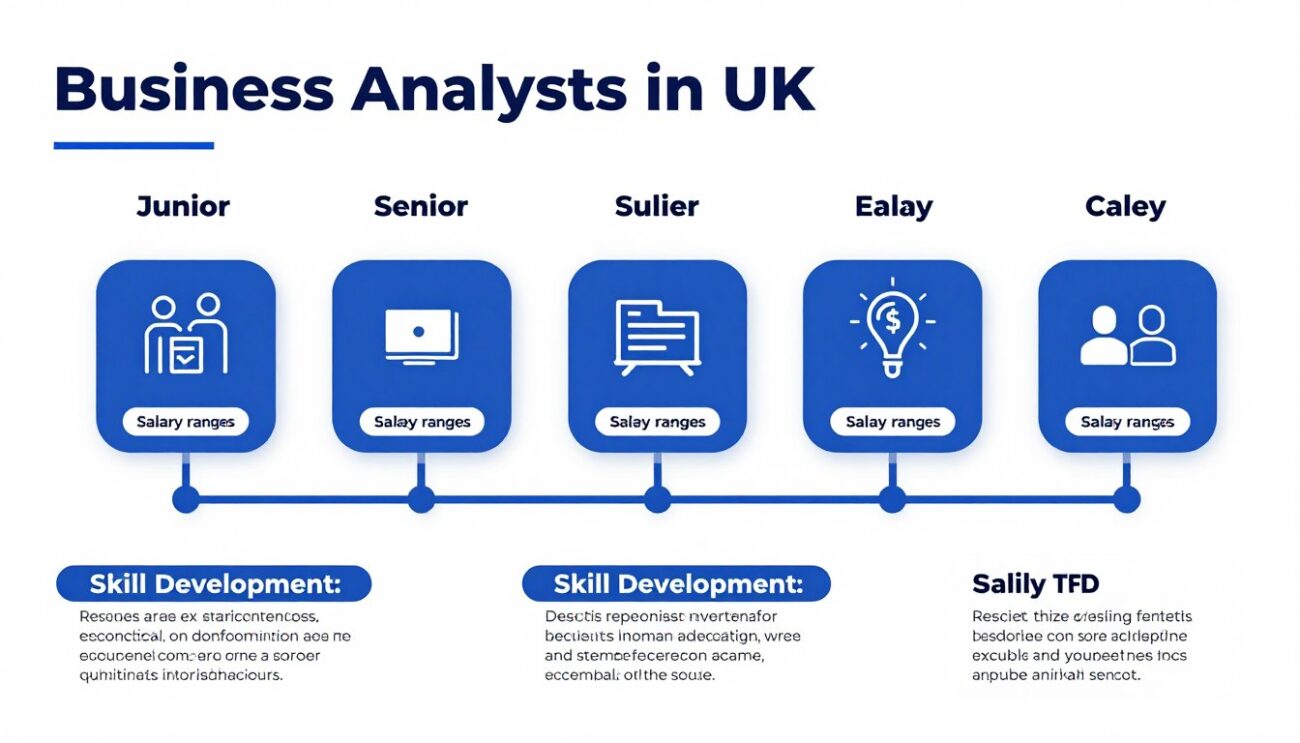
Business analysis offers excellent career prospects throughout the UK. Demand for skilled business analysts remains consistently strong across industries. Organisations increasingly recognise business analysis value in digital transformation initiatives.
UK Salary Ranges for Business Analysts
Entry-level business analysts typically earn between £25,000 and £35,000 annually. Experienced business analysts command salaries from £40,000 to £60,000. Senior business analysts and business analysis managers earn £65,000 to £85,000 or more.
London and Southeast England generally offer higher salaries. Financial services and technology sectors tend to pay premium rates. Contractors earn significantly more on daily rates, often £400 to £700 per day.
Certification and specialisation increase earning potential. Agile business analysis skills attract higher compensation. Data analysis capabilities enhance salary prospects. Your earning trajectory improves with demonstrated experience and results.

Career Progression Pathways
Business analysis offers multiple career progression routes. You can advance into senior business analyst roles with increased responsibility. Lead business analyst positions involve team coordination and mentoring responsibilities.
Many business analysts transition into business analysis management or programme management. Others specialise in domains like enterprise architecture or product management. Some leverage business analysis experience into consulting careers.
Continuous learning supports career advancement. Additional certifications demonstrate commitment to professional development. Building domain expertise in industries like finance or healthcare increases specialisation value.
Job Market Outlook
The UK job market for business analysts remains robust. Digital transformation initiatives drive sustained demand. Government, healthcare, retail, and financial services sectors consistently hire business analysts.
Remote work opportunities have expanded for business analysts. You can access positions across the UK regardless of location. International organisations offer opportunities beyond UK borders for credentialed professionals.
Emerging technologies create new business analysis opportunities. Cloud migration projects require business analysis expertise. Data analytics initiatives need professionals who understand both business and technical requirements. Your skills remain relevant across evolving technology landscapes.
Tips for Choosing the Right Business Analyst Course

Align Training with Career Goals
Start by defining your career objectives clearly. Consider whether you’re entering business analysis or advancing existing skills. Your goals determine the appropriate training level and format.
Career changers often benefit from comprehensive programmes including job support. Professionals seeking advancement may prioritise specific certifications. Understand your destination before selecting your pathway.
Evaluate Provider Credentials and Reputation
Research training provider track records thoroughly. Check accreditation with recognised bodies like BCS or IIBA. Read reviews from former students about their experiences.
Reputable providers demonstrate clear learning outcomes and graduate success rates. Industry partnerships indicate strong employer connections. Alumni networks provide valuable professional communities.
Essential Course Features
Quality business analyst courses share common characteristics that ensure effective learning outcomes.
- Hands-on practical projects and case studies
- Experienced instructors with active industry backgrounds
- Recognised certification preparation included
- Career support and job placement assistance
- Comprehensive curriculum covering core competencies
Red Flags to Avoid
Watch for warning signs when evaluating business analysis training providers and programmes.
- Unrealistic job guarantees or salary promises
- Lack of transparent pricing or hidden fees
- No verifiable graduate outcomes or testimonials
- Outdated curriculum ignoring current practices
- Pressure tactics or aggressive sales approaches
Learning Format Considerations
Your learning preferences and circumstances influence which training format works best for your situation.
- Time availability for study and coursework
- Preferred learning style (self-paced vs structured)
- Need for flexibility around work commitments
- Value of networking and peer interaction
- Budget constraints and payment options
Maximising Your Investment
Strategic approaches help you get maximum value from your business analysis training investment.
- Engage actively with course materials and projects
- Network with instructors and fellow students
- Apply learning immediately in current role
- Pursue recommended certifications promptly
- Leverage career support services fully
Consider Learning Style and Flexibility Needs
Honest self-assessment about learning preferences matters. Some people thrive in structured classroom environments. Others prefer self-directed online learning flexibility.
Consider your current commitments and constraints. Full-time employment may require evening or weekend courses. Family responsibilities might necessitate fully online options. Match training format to your realistic availability.
Assess Total Value Beyond Price
Course cost represents only one value dimension. Consider job placement support, networking opportunities, and ongoing alumni resources. Some higher-priced programmes deliver significantly better outcomes justifying additional investment.
Cheaper options may require supplementary resources or extended timelines. Calculate total cost including examination fees, study materials, and potential income disruption. Quality training accelerates your career transition, potentially offsetting higher initial costs quickly.
Your Business Analysis Career Journey Starts Here
Selecting the right business analyst course UK represents a pivotal career decision. You’ve explored comprehensive information about training types, certifications, providers, and career prospects. This knowledge empowers informed decisions aligned with your goals.
Business analysis offers rewarding career opportunities across UK organisations. The profession combines analytical thinking, stakeholder engagement, and problem-solving. Your investment in quality training opens doors to satisfying work and competitive compensation.
Remember that successful business analysts commit to continuous learning. Technology evolves, methodologies advance, and business needs change. Your initial training establishes foundations for ongoing professional development throughout your career.
Take action on your business analysis aspirations. Research specific programmes matching your criteria. Connect with training providers and ask questions. Speak with current business analysts about their experiences. Your career transformation begins with informed commitment.
