
One-on-One Interview Preparation London: Your Complete Success Guide

Landing your dream job in London’s competitive market demands more than a polished CV. Your interview performance can make or break your career opportunities.
One-on-one interview preparation London services have helped thousands of candidates transform their interview skills. Whether you face civil service interviews or executive roles, proper preparation builds the confidence you need.
This comprehensive guide reveals proven strategies used by successful candidates across London. You will discover practical techniques to master every interview format and impress even the toughest employers.
Ready to Transform Your Interview Performance?
Our expert interview coaching has helped hundreds of London candidates secure their ideal roles. Discover how personalized preparation can boost your confidence and results.
Essential Preparation Steps for One-on-One Interviews in London

Effective interview preparation starts weeks before your actual meeting. Research forms the foundation of your success strategy.
Research the Company Thoroughly
London employers expect candidates to demonstrate deep company knowledge. Start by examining their website, recent news, and financial reports.
Follow their social media channels to understand company culture. LinkedIn profiles of current employees reveal valuable insights about team dynamics and work environment.
Industry trends matter significantly in competitive London markets. Your awareness of sector challenges demonstrates strategic thinking that employers value.
Analyze the Job Description
Every word in the job posting carries meaning. Break down requirements into essential skills, experience levels, and desired qualities.
Match your background to each requirement with specific examples. This preparation ensures you address all role expectations during your interview.
Technical Skills
Identify required technical competencies and prepare examples demonstrating your proficiency in each area.
- List specific software or tools mentioned
- Prepare achievement stories using these skills
- Quantify your experience with each requirement
Soft Skills
London employers increasingly prioritize communication skills and cultural fit alongside technical abilities.
- Prepare examples showing leadership qualities
- Demonstrate problem-solving capabilities
- Highlight teamwork and collaboration experiences
Prepare Your Interview Stories

The STAR method provides structure for compelling interview answers. Situation, Task, Action, Result framework keeps responses focused and impactful.
Develop five to seven core stories covering different competencies. Each story should demonstrate specific skills relevant to your target role.
Practice these stories until delivery feels natural. Mock interview sessions help refine your presentation and timing.
Plan Your Interview Logistics
London’s transport system requires careful planning. Research your route and allow extra time for unexpected delays.
Visit the interview location beforehand if possible. Familiarity with surroundings reduces stress on interview day.
- Confirm exact address and building entrance
- Test your journey during similar time of day
- Identify alternative transport routes
- Plan to arrive fifteen minutes early
- Prepare professional attire the night before
Common One-on-One Interview Formats Used by London Employers

London employers utilize various interview formats to assess candidates. Understanding each format helps you prepare targeted responses.
Traditional Competency-Based Interviews
Competency interviews dominate London’s job market. Interviewers probe specific skills through behavioral questions about past experiences.
Questions typically start with phrases like “Tell me about a time when” or “Describe a situation where.” Your responses should follow the STAR structure.

London employers often focus on leadership, problem-solving, and adaptability competencies. Prepare examples demonstrating these qualities across different contexts.
Technical and Skills-Based Interviews
Technical roles require demonstrating practical knowledge. Employers may present real-world scenarios or ask you to solve problems during interviews.
Some London companies conduct technical assessments before or during interviews. Review relevant skills and practice explaining complex concepts simply.
Coding Interviews

Technology companies often require live coding demonstrations. Practice common algorithms and data structures beforehand.
Case Study Interviews

Consulting firms present business problems requiring structured analysis. Demonstrate logical thinking and communication throughout your solution.
Portfolio Reviews

Creative roles demand portfolio presentations. Prepare to discuss your process, decisions, and outcomes for each project.
Strength-Based Interviews
This newer format focuses on natural talents rather than learned skills. Questions explore what energizes you and where you perform best.
Typical questions include “What do you enjoy doing most?” or “When do you feel most motivated?” Answer authentically rather than providing expected responses.
Values and Culture Fit Interviews

London employers increasingly assess cultural alignment. These interviews explore your work style, values, and team collaboration preferences.
Research company culture through employee reviews and social media. Prepare questions about team dynamics and work environment.
Master Every Interview Format with Expert Coaching
Our tailored interview coaching prepares you for any format London employers use. Gain confidence through personalized mock interviews and detailed feedback from experienced coaches.
Key Topics and Questions in One-on-One Interviews

London interviewers consistently explore certain core topics. Preparing strong answers to common questions builds your confidence significantly.
Opening Questions
Interviews typically begin with rapport-building questions. These seemingly simple queries set the tone for your entire conversation.
“Tell me about yourself” appears in nearly every interview. Craft a concise two-minute pitch highlighting relevant experience and career motivations.
- Focus on professional journey, not personal history
- Connect your background to the target role
- End with genuine enthusiasm for the opportunity
- Practice until delivery feels natural and confident
Motivation and Career Goals

Employers want to understand your career direction and role fit. Questions like “Why do you want this role?” require honest, specific answers.
Connect the position to your career trajectory. Demonstrate research by mentioning specific aspects of the role or company that attract you.
“Where do you see yourself in five years?” assesses ambition and realistic planning. Balance aspiration with achievable goals within the organization.
Experience and Achievement Questions
These questions form the interview core. Interviewers probe your relevant experience through detailed questioning about past situations.
Common experience questions include:
- Describe your greatest professional achievement
- Tell me about a challenging project you managed
- Share an example of overcoming a difficult obstacle
- Explain how you handled a conflict with a colleague
- Describe a time you demonstrated leadership
- Share an example of learning from failure
- Tell me about working under tight deadlines
- Explain how you adapted to significant change

Weakness and Development Questions
The infamous “What is your greatest weakness?” tests self-awareness and growth mindset. Choose genuine areas for improvement while demonstrating active development efforts.
Frame weaknesses as development opportunities. Explain specific steps you take to address these areas.
London-Specific Questions
Employers may ask about your familiarity with London’s business environment. International candidates should address work authorization and relocation plans proactively.
- Why do you want to work in London specifically?
- How does your experience translate to the London market?
- What challenges do you anticipate working in London?
- How will you manage the commute and cost of living?
Tips for Researching Companies and Roles in London

Thorough research distinguishes prepared candidates from average applicants. London employers expect detailed knowledge about their organizations.
Essential Research Sources
Start with official company channels. Their website reveals mission, values, services, and recent developments.
Financial reports provide insights into company health and strategic priorities. Public companies publish annual reports detailing performance and future plans.
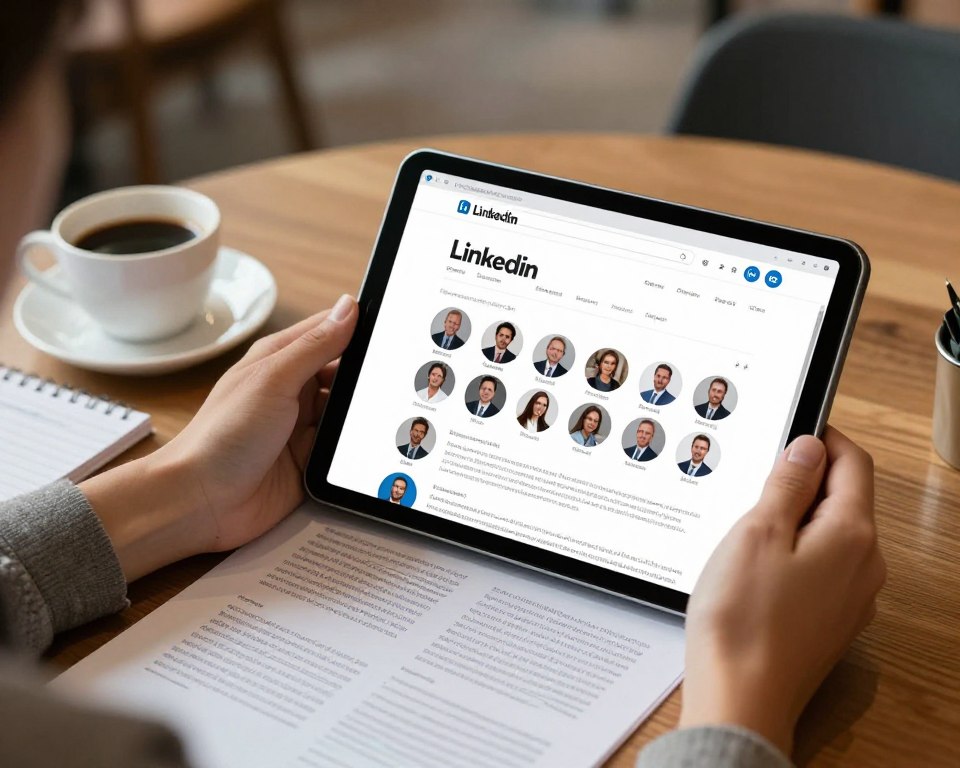
LinkedIn offers multiple research opportunities. Review employee profiles to understand career paths and team composition.
News and Media
Recent news coverage reveals company priorities and challenges. Set up Google Alerts for your target companies.
Industry Analysis
Understanding sector trends demonstrates strategic thinking. Read industry publications and competitor analysis.
Employee Reviews
Glassdoor and similar platforms provide insider perspectives on culture and interview processes.
Understanding London Market Context
London’s business landscape has unique characteristics. Brexit impacts, financial sector dynamics, and startup ecosystems shape employer priorities.
Research how your target company fits within London’s broader economic environment. This context helps you ask informed questions.
Identifying Key Stakeholders

Research likely interviewers through LinkedIn. Understanding their backgrounds helps you find common ground and tailor your responses.
Note their career paths, educational backgrounds, and professional interests. These insights can guide conversation and question preparation.
Preparing Intelligent Questions
Your questions reveal research quality and genuine interest. Prepare at least five thoughtful questions based on your research findings.
- Ask about recent company announcements or initiatives
- Inquire about team structure and collaboration methods
- Question growth opportunities and career development
- Explore company culture and values in practice
- Discuss challenges facing the team or department
How to Handle Different Interviewer Styles

Interviewers bring diverse personalities and styles to conversations. Adapting your approach to different styles improves rapport and outcomes.
The Formal Interviewer
Some interviewers maintain strictly professional demeanor throughout. They follow structured question lists and take detailed notes.
Match their formality with professional responses. Provide thorough, structured answers without excessive casual conversation.
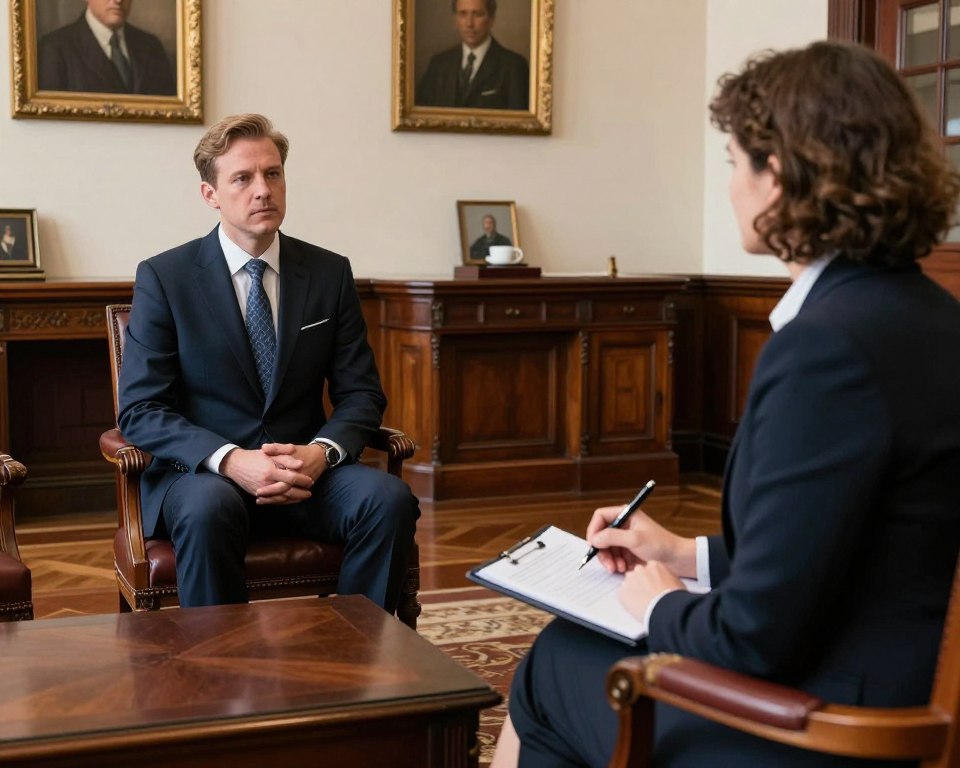
These interviewers value precision and clarity. Focus on facts, achievements, and specific examples rather than general statements.
The Conversational Interviewer
Friendly interviewers create relaxed atmospheres through casual conversation. They may share personal anecdotes and encourage informal dialogue.
While matching their warmth, maintain professionalism. Balance friendly rapport with substantive responses demonstrating your qualifications.
The Challenging Interviewer

Some interviewers use pressure tactics or ask provocative questions. They test how you handle stress and disagreement.
Stay calm and composed regardless of question tone. Take moments to think before responding to difficult queries.
- Avoid defensive reactions to challenging questions
- Request clarification if questions seem unclear
- Maintain positive body language throughout
- View challenges as opportunities to demonstrate resilience
The Distracted Interviewer
Occasionally interviewers seem disengaged or distracted. They may check phones, appear rushed, or lose focus during responses.
Maintain enthusiasm despite apparent disinterest. Keep answers concise and engage them with questions about the role.
The Technical Expert

Expert interviewers probe deep technical knowledge. They may ask detailed questions testing your specialized expertise.
Demonstrate knowledge depth while explaining concepts clearly. Admit knowledge gaps honestly rather than bluffing.
Reading Body Language
Observe interviewer cues throughout your conversation. Adjust pace and detail based on their engagement level.
- Watch for signs of interest or boredom
- Notice when they lean in or pull back
- Adjust speaking pace to match theirs
Building Rapport
Find common ground while maintaining professionalism. Shared interests or experiences strengthen connections.
- Reference mutual LinkedIn connections
- Mention shared educational backgrounds
- Discuss relevant industry experiences
Post-Interview Follow-Up Strategies for the London Job Market
Your interview performance continues after leaving the building. Strategic follow-up reinforces your candidacy and professionalism.
The Thank You Email
Send personalized thank you emails within twenty-four hours. Reference specific conversation points to demonstrate engagement and recall.
Keep messages concise yet meaningful. Express genuine appreciation for their time while reiterating your interest in the role.
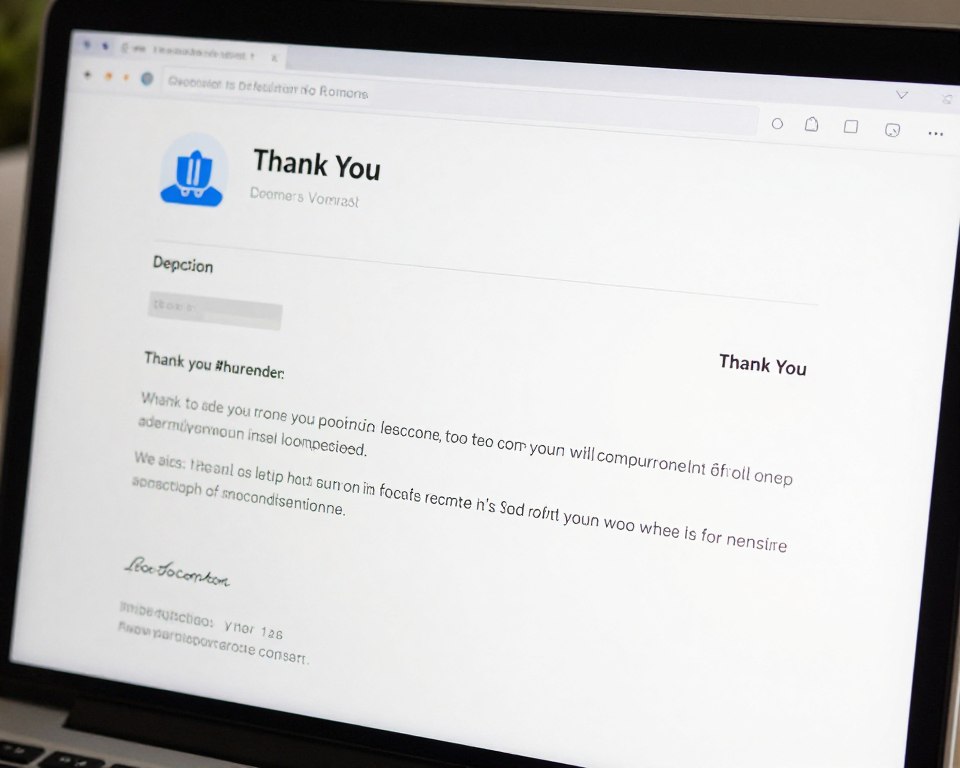
Email Structure
- Clear subject line referencing the interview
- Personalized greeting using interviewer’s name
- Specific thank you with conversation reference
- Brief restatement of interest and fit
- Professional closing with contact information
Content Tips
- Mention something unique from your conversation
- Address any questions you answered incompletely
- Provide additional relevant information if appropriate
- Keep length under 200 words
- Proofread carefully for errors
LinkedIn Connections
Connect with interviewers on LinkedIn after sending thank you emails. Include a brief, personalized connection request referencing your interview.
This maintains professional visibility while demonstrating networking initiative. London’s professional community values strong network development.
Timeline Expectations in London

London hiring processes vary significantly by industry and company size. Typical timelines range from one week to several months.
If no timeline was mentioned, wait one week before following up politely. Express continued interest while respecting their process.
- Financial sector decisions typically take two to four weeks
- Startups often move faster with quicker decisions
- Public sector roles involve longer processes
- Multiple interview rounds extend timelines
Handling Different Outcomes
If you receive an offer, respond professionally even if you need time to decide. Request reasonable time to consider while expressing appreciation.
Rejections provide learning opportunities. Politely request feedback to improve future interview performance. Many London employers provide constructive insights.
Maintaining Professional Relationships

Even unsuccessful interviews build valuable connections. Stay in touch with interviewers through occasional LinkedIn interactions.
London’s professional circles are surprisingly small. Today’s rejected candidate may become tomorrow’s colleague or client.
Common Mistakes to Avoid During One-on-One Interviews
Understanding common pitfalls helps you avoid career-limiting errors. These mistakes frequently undermine otherwise qualified candidates.
Poor Preparation Signals
Arriving without company knowledge immediately disadvantages you. London employers expect thorough research and preparation.

Asking questions answered on the company website demonstrates poor preparation. Review all publicly available information beforehand.
Preparation Best Practices
- Research company thoroughly before interview
- Prepare specific examples for common questions
- Practice responses with mock interviews
- Plan journey and arrive early
- Bring extra copies of your CV
- Prepare thoughtful questions
Preparation Mistakes
- Arriving late without prior communication
- Showing no knowledge of the company
- Lacking prepared examples or stories
- Forgetting interviewer names or roles
- Appearing unprepared for common questions
- Having no questions for interviewer
Communication Errors
Rambling answers lose interviewer attention quickly. Structure responses clearly using frameworks like STAR method.
Speaking negatively about previous employers raises red flags. Frame past experiences positively while demonstrating learned lessons.

Body Language Mistakes
Non-verbal communication significantly impacts interview outcomes. Poor body language contradicts your verbal messages.
- Avoiding eye contact suggests dishonesty or insecurity
- Slouching conveys disinterest or low energy
- Excessive fidgeting indicates nervousness
- Crossing arms appears defensive or closed
- Checking phone shows disrespect
Inappropriate Questions or Comments
Asking about salary or benefits too early signals wrong priorities. Save compensation discussions for appropriate stages.
Making assumptions about company culture without basis can offend. Ask questions rather than stating unverified opinions.
Overconfidence or Underselling

Arrogance alienates interviewers regardless of your qualifications. Balance confidence with humility and genuine curiosity.
Conversely, excessive modesty undersells your capabilities. Own your achievements while giving credit to collaborators.
Failing to Close Effectively
Not expressing clear interest in the role leaves doubt about your motivation. End interviews with strong, genuine enthusiasm.
Forgetting to ask about next steps shows lack of initiative. Understand timeline and process before leaving.
Critical Final Minutes
The interview’s closing moments significantly impact overall impressions. Always end by reiterating your interest, asking about next steps, and thanking the interviewer for their time. These final interactions often prove memorable.
Avoid Common Mistakes with Professional Coaching
Our experienced coaches identify and correct mistakes before they cost you opportunities. Through tailored mock interviews and detailed feedback, we help you present your best self. Limited availability for new clients this month.
Why Professional Interview Coaching Makes the Difference

Professional interview coaching transforms good candidates into outstanding ones. Personalized preparation addresses your specific needs and challenges.
Personalized Feedback and Strategy
Generic interview advice rarely addresses individual weaknesses. Experienced coaches identify your specific improvement areas through mock interviews.

They develop strategies tailored to your industry, experience level, and target roles. This bespoke coaching approach delivers faster results than self-preparation.
Mock Interview Practice

Realistic interview simulations build confidence and reduce anxiety. Practice sessions reveal areas needing improvement before actual interviews.
Industry Expertise
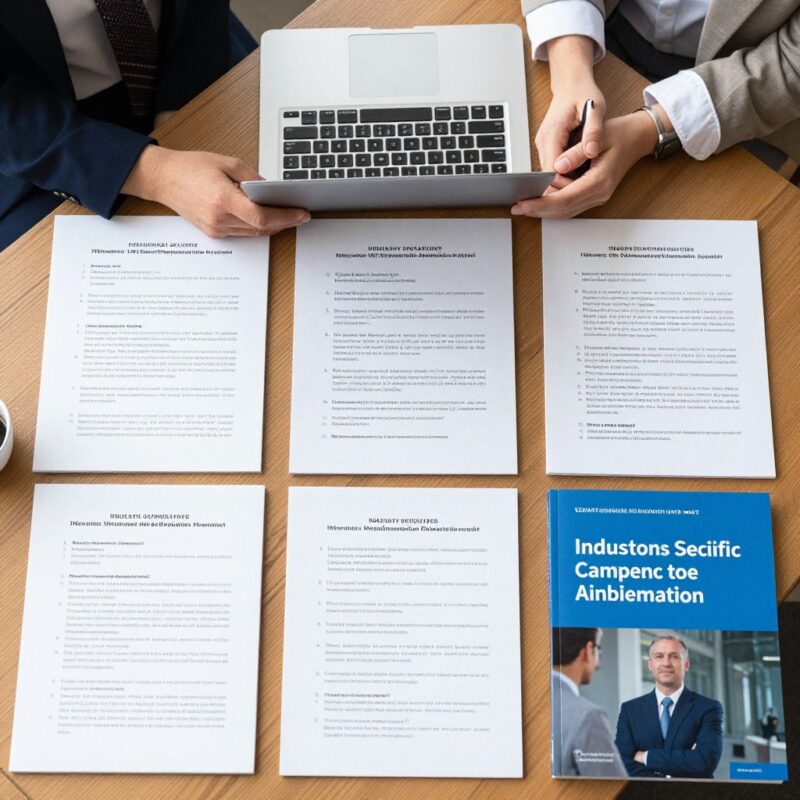
Coaches with industry experience understand sector-specific expectations. They prepare you for questions and scenarios unique to your field.
Confidence Building

Structured practice and positive feedback boost confidence significantly. Confident candidates perform better and leave stronger impressions.
Understanding London Market Specifics
London’s job market has unique characteristics requiring specialized knowledge. Local coaches understand employer expectations and cultural nuances.
They guide you through London-specific considerations like work authorization questions and commute discussions. This local expertise proves invaluable for candidates unfamiliar with the market.
Accountability and Structure

Self-directed preparation often lacks structure and accountability. Coaches provide frameworks ensuring comprehensive preparation across all competency areas.
Regular sessions maintain momentum and focus. This structured approach prevents procrastination and ensures thorough preparation.
Rapid Skill Development
Professional coaching accelerates skill development significantly. Experienced coaches quickly identify improvement opportunities that self-study might miss.
- Immediate feedback on responses and body language
- Proven frameworks for structuring answers
- Techniques for managing interview stress
- Strategies for different interviewer types
- Methods for researching companies effectively
- Approaches for handling difficult questions
Investment in Career Success

Quality coaching represents investment in career advancement. The salary difference between jobs often far exceeds coaching costs.
Many clients secure roles they would have otherwise missed. This return on investment makes coaching one of the most valuable career development tools.
Transform Your Interview Success in London's Competitive Market

Mastering one-on-one interview preparation London requires dedication and strategic approach. The comprehensive strategies outlined in this guide provide your foundation for success.
Thorough company research, structured answer preparation, and awareness of interviewer styles significantly improve performance. Avoiding common mistakes prevents unnecessary setbacks in your job search.
London’s competitive job market rewards prepared candidates. Your investment in interview preparation distinguishes you from less prepared competitors.
Professional coaching accelerates your development while providing personalized strategies. Experienced coaches identify blind spots and refine your presentation for maximum impact.
The difference between average and outstanding interview performance often determines career trajectory. Don’t leave this critical skill to chance when expert support is available.
